Canada’s e-commerce boom and manufacturing growth have created an unprecedented demand for packing jobs across the country, with over 50,000 packaging positions available at any given time. If you’re seeking stable employment with minimal barriers to entry, competitive wages, and genuine opportunities for advancement, packing jobs in Canada deserve serious consideration.
Packaging workers in Canada earn between $16 and $24 per hour depending on location, experience, and industry sector, with many positions offering full benefits, overtime opportunities, and pathways to permanent residency for foreign workers. Unlike many entry-level positions, packing jobs provide year-round stability, structured work environments, and clear career progression from general packer to quality control, team lead, and warehouse management roles.
This comprehensive guide covers everything you need to know about pursuing packing jobs in Canada: realistic salary expectations, different types of packaging work available, requirements for both domestic and international applicants, top hiring companies, and strategies for landing positions that offer long-term security and growth potential.
Why Packing Jobs Are in High Demand Across Canada
The exponential growth of online shopping has fundamentally transformed Canada’s warehousing and logistics landscape. Canadian e-commerce sales exceeded $85 billion in 2024, creating massive demand for workers who can receive, process, pack, and ship products efficiently.
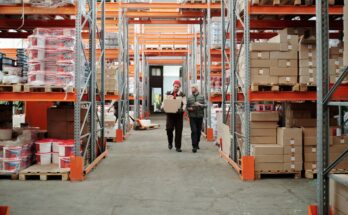
Distribution centers for major retailers—Amazon, Walmart, Canadian Tire, Best Buy, and countless others—operate around the clock, requiring thousands of packaging workers across multiple shifts. Food processing facilities throughout Canada need packers for everything from fresh produce to frozen meals. Manufacturing plants producing consumer goods, electronics, pharmaceuticals, and industrial products all require dedicated packaging teams to prepare finished products for distribution.
The demand isn’t temporary or seasonal—it’s structural and growing. While some facilities experience volume spikes during holiday seasons, most packaging operations maintain consistent year-round hiring to keep pace with consumer expectations for rapid delivery and expanding product catalogs.
For job seekers, this translates into significant advantages. Employers compete for reliable workers, offering sign-on bonuses, referral incentives, benefits packages, and flexible scheduling. Many companies struggle to maintain adequate staffing levels, meaning opportunities exist for workers at all experience levels, including those new to Canada or transitioning from other industries.
Geographic distribution of opportunities is broad. Major hubs like Toronto’s surrounding municipalities (Brampton, Mississauga, Vaughan), Vancouver’s suburbs (Surrey, Richmond, Burnaby), Calgary’s industrial areas, Montreal’s logistics zones, and Edmonton’s warehouse districts all feature concentrated packing job markets. However, smaller cities with regional distribution centers—Halifax, Winnipeg, Regina, Kelowna—also offer substantial opportunities often overlooked by job seekers.
Understanding Packing Job Salaries and Benefits
Compensation for packing jobs in Canada varies based on multiple factors, but the range is both competitive and accessible for workers at all skill levels.
Entry-level packaging positions typically start at $16 to $18 per hour in most Canadian provinces. This represents your baseline for general packing duties like placing products in boxes, applying labels, sealing packages, and basic quality checks. Even at these starting rates, full-time workers earn approximately $2,600 to $2,900 monthly before taxes.
Experienced packers and specialized roles command $19 to $24 per hour. These positions involve operating packaging machinery, performing quality assurance inspections, training new workers, or handling delicate/valuable products requiring extra care and attention.
Shift differentials significantly impact earnings. Many warehouses operate 24/7, offering premium pay for evening, overnight, and weekend shifts. Night shift differentials add $1 to $3 per hour, while weekend work might include time-and-a-half or double-time rates. Workers willing to work less desirable hours can boost earnings by 20-30% compared to standard day shifts.
Overtime opportunities abound, especially during peak seasons (October through December for retail, harvest periods for food processing). Time-and-a-half after 40 hours weekly means a worker earning $18 hourly makes $27 per hour for overtime work. During busy periods, workers can add $500 to $1,000+ monthly through overtime alone.
Provincial wage variations reflect cost of living differences:
Ontario packaging jobs pay $16.55 to $22 per hour, with the Greater Toronto Area offering higher rates due to living costs and competition for workers. British Columbia positions range from $17.40 to $24 hourly, particularly in Metro Vancouver where warehouse space commands premium rents. Alberta offers $17 to $23 hourly, with strong demand in Calgary and Edmonton’s industrial sectors. Quebec provides $15.75 to $21 per hour, with Montreal serving as the primary hub.
Comprehensive benefits packages distinguish quality employers from those offering bare-minimum compensation. Top-tier warehousing companies provide health and dental insurance after probationary periods (typically 3-6 months), employer-matched retirement savings plans, paid vacation time (2-3 weeks annually), sick leave, and employee assistance programs.
Additional perks at leading facilities include on-site cafeterias with subsidized meals, free parking, transit subsidies, employee discount programs, tuition reimbursement for continued education, and wellness programs including gym memberships or on-site fitness facilities.
Annual earning potential for full-time packers:
Standard 40-hour weeks at $18/hour generate approximately $37,440 annually. Adding conservative overtime (5 hours weekly at time-and-a-half) brings total earnings to approximately $44,460 yearly. Experienced workers earning $22/hour with regular overtime can approach $55,000 to $60,000 annually—solid middle-class income requiring no post-secondary education.
Types of Packing Jobs Available in Canada
Canada’s diverse economy creates packaging opportunities across multiple industry sectors, each with distinct characteristics and requirements.
Retail and E-commerce Fulfillment represents the largest category. Amazon fulfillment centers employ thousands of packers across their Canadian facilities, with positions involving picking products from shelving, packing orders into boxes with protective materials, applying shipping labels, and preparing packages for carrier pickup. Walmart, Best Buy, Costco, and other major retailers operate similar distribution centers with comparable packing roles.
These environments are fast-paced and productivity-focused, with performance metrics tracking items packed per hour. While demanding, they offer modern facilities, comprehensive training, and clear advancement paths into problem-solving, quality assurance, or process improvement roles.
Food Processing and Packaging facilities need workers for fresh produce packing, frozen food packaging, bakery product boxing, meat and poultry packaging, and beverage bottling operations. These positions often require working in temperature-controlled environments—refrigerated or even frozen rooms for certain products—and strict adherence to food safety protocols.
Companies like Maple Leaf Foods, Olymel, Cargill, and countless smaller processors hire extensively. Food industry experience isn’t required, but attention to cleanliness, following safety procedures, and comfort with repetitive tasks are essential.
Manufacturing and Industrial Packaging encompasses automotive parts packing, electronics component packaging, pharmaceutical product packaging, and consumer goods boxing. These roles often require more precision and quality control awareness, as products may be high-value or require specific handling to prevent damage.
Pharmaceutical packaging, for example, demands meticulous attention to detail, adherence to regulatory requirements, and often requires clean room protocols. However, these specialized environments typically pay premium wages—$20 to $26 hourly isn’t uncommon.
Warehouse General Labor with Packing Duties combines packing with other warehouse tasks like receiving, stocking, inventory management, and order fulfillment. These positions offer variety and broader skill development, making workers more valuable and promotable.
Third-party logistics providers (3PLs) like Purolator, DHL, FedEx distribution centers, and regional logistics companies frequently hire for these hybrid roles.
Seasonal and Temporary Packing Positions spike during specific periods. Retail fulfillment centers hire aggressively October through December for holiday shopping. Agricultural packing facilities need workers during harvest seasons for fruits, vegetables, and other crops. Tax season creates demand for document packaging and mailing services.
While temporary, these positions often convert to permanent roles for reliable workers, providing entry points into companies that might otherwise have limited openings.
Quality Control and Inspection Roles involve examining packed products, ensuring packaging meets standards, identifying defects, and maintaining quality documentation. These positions pay $20 to $24 hourly and offer cleaner, less physically demanding work while utilizing packing experience.
Requirements for Packing Jobs in Canada
One of the most appealing aspects of packing work is the accessibility—requirements are minimal compared to many other employment sectors.
Basic requirements for most positions include:
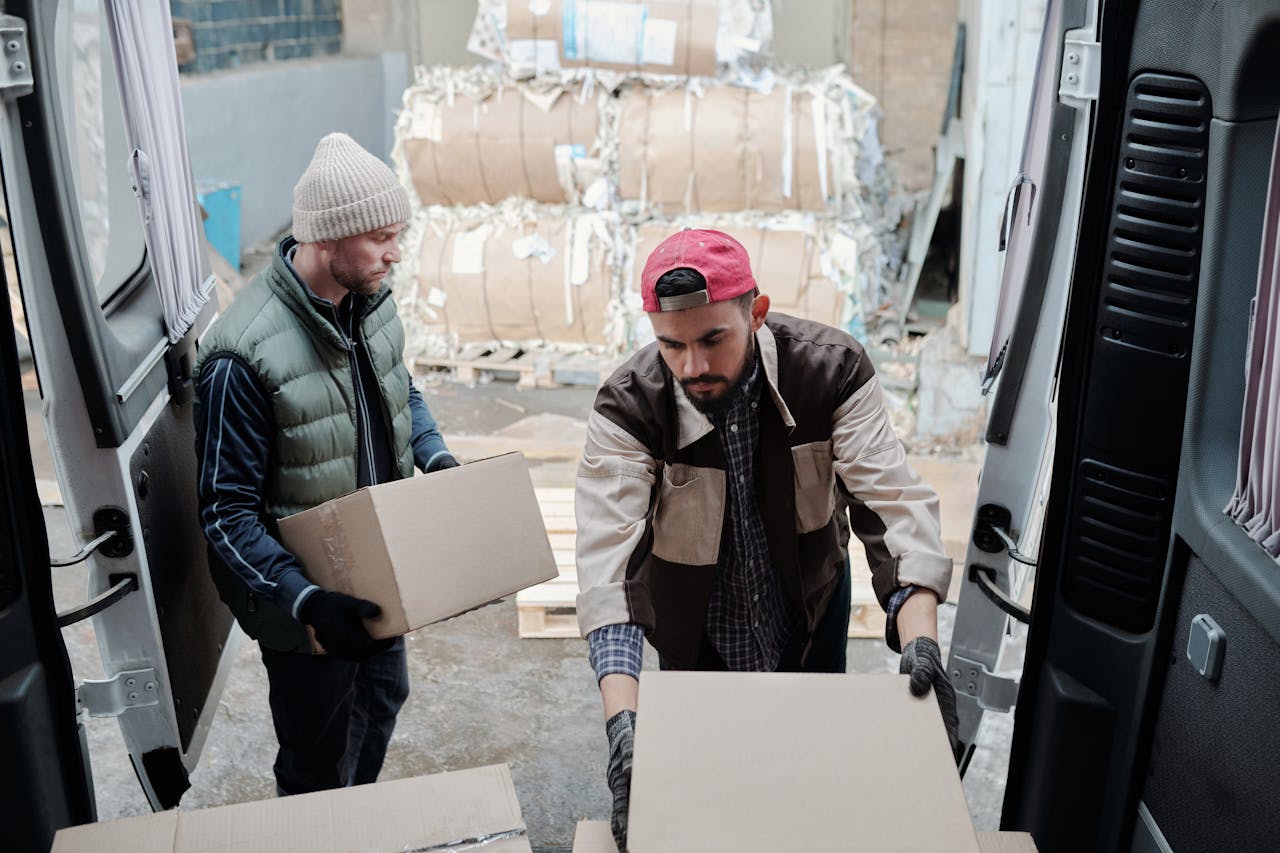
Physical ability to stand for extended periods (8-10 hour shifts), lift packages typically ranging from 5 to 25 pounds repeatedly throughout shifts, bend and reach to access products at various heights, and maintain consistent productivity throughout the workday. Some positions require lifting up to 50 pounds occasionally, though team lifts or mechanical assistance is provided for heavier items.
Basic literacy and numeracy skills for reading work orders, counting products, identifying product codes, and following written instructions. English or French language skills vary by employer and province—some positions require conversational ability for safety communication, while others function well with minimal language skills supplemented by visual training and team support.
Reliable attendance and punctuality, which employers prioritize above almost everything else. Warehouses operate on tight schedules with productivity targets—chronic lateness or absenteeism disrupts operations and is the primary reason for termination during probationary periods.
No formal education requirements exist for most packing positions. High school completion is preferred by some employers but not universally required. What matters is demonstrating reliability, willingness to work, and ability to learn straightforward tasks through on-the-job training.
Work authorization is essential for legal employment. Canadian citizens and permanent residents face no restrictions. Temporary foreign workers need valid work permits authorizing employment with specific employers or open work permits allowing employment with any Canadian employer. International students with study permits including off-campus work authorization can work in packing positions, typically limited to 24 hours weekly during academic sessions but unlimited during scheduled breaks.
Additional qualifications that improve employability:
Forklift certification (available through short courses costing $200-400) dramatically expands opportunities and increases wages by $2-4 hourly. Workplace Hazardous Materials Information System (WHMIS) certification demonstrates safety awareness. First aid certification shows responsibility and safety consciousness.
Background checks and drug testing are common, particularly for positions in pharmaceutical manufacturing, food processing, or facilities handling high-value goods. Most employers conduct criminal background checks before hiring—serious criminal records may disqualify candidates, though minor infractions typically don’t.
For newcomers to Canada, the pathway is straightforward. Obtain proper work authorization through programs like the Temporary Foreign Worker Program, International Mobility Program, or Provincial Nominee Programs. Many packaging employers are approved LMIA (Labour Market Impact Assessment) holders, meaning they’re authorized to hire foreign workers when they can’t fill positions locally—this is common given persistent labor shortages.
Consider this example: Thanh arrived in Mississauga from Vietnam through the Provincial Nominee Program with her spouse. Within two weeks of landing in Canada, she applied to several warehouses through Indeed and Job Bank. She accepted a packing position at a pharmaceutical distribution center starting at $19.50 hourly. The company provided comprehensive training, assigned her a mentor, and after her 3-month probation, she received full benefits. Eighteen months later, she was promoted to quality control inspector earning $23 hourly, and her consistent performance contributed positively to her permanent residency application.
Top Companies Hiring for Packing Jobs
Certain employers dominate Canada’s packaging labor market, offering the most opportunities and, in many cases, the best working conditions.
Amazon operates fulfillment centers across Canada in Brampton, Mississauga, Ottawa, Calgary, Edmonton, and other cities. They hire continuously for packing, sorting, and warehouse associate roles starting around $18-21 hourly with benefits after 30 days. While productivity expectations are high, the scale of operations means constant openings and opportunities for advancement.
Walmart Distribution Centers serve hundreds of retail locations, requiring significant packaging workforces. Positions typically start at $17-19 hourly with comprehensive benefits and employee discounts.
Loblaws/Shoppers Drug Mart Distribution operates major facilities supporting Canada’s largest grocery and pharmacy chains. These stable, established companies offer strong benefits and job security.
Canadian Tire Corporation distribution centers in Brampton, Bolton, and other locations hire extensively for logistics and packaging roles serving retail stores nationwide.
Food Processors including Maple Leaf Foods, Olymel, Cargill, and Sobeys warehouses hire continuously for packing positions in food processing and distribution.
Third-Party Logistics Providers like Kuehne+Nagel, DHL Supply Chain, NFI Industries, and dozens of smaller 3PLs operate warehouses for multiple clients, creating diverse packing opportunities.
Pharmaceutical Companies such as Apotex, Teva Canada, and various pharmaceutical distribution centers offer specialized packaging work with higher wages and strict quality standards.
Temporary Staffing Agencies including Adecco, Randstad, Kelly Services, and ManpowerGroup place thousands of workers in packing positions annually. While agency roles may lack benefits initially, they provide excellent entry points into companies that frequently convert temporary workers to permanent employees.
How to Find and Apply for Packing Jobs
Landing a packing position requires strategic job searching and professional application practices.
Primary job search platforms include:
Indeed Canada, which lists hundreds of current packing positions daily across all provinces. Use search terms like “packing,” “packaging,” “warehouse packer,” and “order fulfillment” combined with your city name.
Job Bank (Government of Canada’s official job board) features verified positions, often from employers authorized to hire foreign workers. Filter by occupation code 9619 (Other labourers in processing, manufacturing and utilities).
Company career websites offer direct application to major employers. Check Amazon Jobs, Walmart Careers, Loblaws Careers, and Canadian Tire career portals weekly for new postings.
Staffing agency registration provides access to multiple opportunities through single applications. Visit local Adecco, Randstad, or Kelly Services offices, complete registration including skills assessments, and they’ll match you with available positions.
Effective application strategies:
Customize your resume for packing positions by emphasizing physical capabilities, reliability (perfect attendance records if applicable), any warehouse or production experience, and comfort with repetitive tasks. Keep it concise—one page is sufficient for entry-level positions.
Highlight any certifications (forklift, WHMIS, first aid) prominently. Even if not required, they demonstrate initiative and safety awareness.
Apply quickly to new postings—high-demand positions receive dozens of applications within hours. Set up job alert notifications so you’re among the first to apply.
Follow up professionally 3-5 days after applying if you haven’t heard back. A polite phone call or email expressing continued interest can distinguish you from passive applicants.
Prepare for straightforward interviews focusing on availability, reliability, physical capabilities, and willingness to work various shifts. Common questions include availability for overtime, comfort with standing all day, experience with repetitive tasks, and why you’re interested in the position.
Attend job fairs and hiring events. Major employers frequently conduct group hiring events where you can apply, interview, and receive conditional offers in single days. Follow company social media pages and community employment center announcements to learn about upcoming events.
Leverage your network. Many warehouses offer employee referral bonuses ($500-1000) for workers who recommend successful hires. If you know anyone working in warehousing or packing, ask if their employer is hiring and if they’ll refer you—it benefits both of you.
Immigration Pathways Through Packing Jobs
For foreign workers, packing jobs can serve as legitimate pathways to Canadian permanent residency—an often-overlooked benefit of these positions.
Packing and packaging occupations fall under National Occupational Classification codes eligible for various immigration programs, particularly when classified as industrial or manufacturing roles rather than purely general labor.
Provincial Nominee Programs increasingly target workers in manufacturing and logistics sectors experiencing labor shortages. Ontario, British Columbia, Manitoba, Saskatchewan, and Alberta have all nominated packaging workers through their respective provincial streams.
To leverage packing work for immigration, ensure your position is classified appropriately (consult with immigration professionals), maintain excellent employment records demonstrating consistent full-time work, develop language proficiency (CLB 5 minimum, higher scores strengthen applications), and build Canadian work experience (typically 1-2 years required for most streams).
Atlantic Immigration Program includes packaging positions for workers in Atlantic provinces—Nova Scotia, New Brunswick, Prince Edward Island, and Newfoundland and Labrador. These regions face acute labor shortages and actively welcome foreign workers in essential industries.
Canadian Experience Class under Express Entry allows temporary foreign workers who’ve gained one year of Canadian work experience in skilled occupations to apply for permanent residency. While general packing might not qualify, supervisory, quality control, or specialized packaging roles often meet criteria.
Many packaging workers follow this trajectory: enter Canada on work permits through employer-sponsored LMIA positions, gain Canadian experience while demonstrating value to employers, receive provincial nominations or employer support for permanent residency applications, transition to permanent resident status within 18-36 months, and eventually sponsor family members or pursue Canadian citizenship.
FAQs About Packing Jobs in Canada
Q: Do packing jobs in Canada require previous experience?
A: Most entry-level packing positions require no previous experience—employers provide on-the-job training covering specific procedures, equipment operation, and safety protocols. However, having warehouse, production, or packaging experience from any industry improves your chances of being hired and may qualify you for higher starting wages. Specialized packing roles involving machinery operation or quality control typically require 6 months to 2 years of relevant experience.
Q: Can I support myself financially on a packing job salary in Canada?
A: Yes, particularly outside Toronto and Vancouver’s expensive housing markets. A full-time packer earning $18/hour takes home approximately $2,200-2,400 monthly after taxes. In cities like Winnipeg, Halifax, Regina, or Edmonton, this covers rent in shared accommodations ($600-800), groceries ($300-400), transportation ($100-150), and basic expenses with modest savings potential. Adding overtime or working higher-paying shifts improves financial comfort significantly. In Toronto or Vancouver, expect to share housing or live in suburban areas to maintain affordability.
Q: Are packing jobs physically demanding?
A: Yes, packing work is physically active and can be demanding depending on the specific role. Expect to stand for entire 8-10 hour shifts, walk several kilometers daily within the facility, perform repetitive motions (bending, reaching, packing), and lift packages regularly. Most positions involve items under 25 pounds, but some require occasional lifting up to 50 pounds. Workers build stamina over time, and employers typically provide ergonomic training to prevent injuries. If you have physical limitations, ask about specific demands during interviews—some packing positions are less physically intensive than others.
Q: What are typical working hours for packing jobs?
A: Packing positions operate across various shifts depending on employer needs. Common schedules include day shifts (7 AM – 3 PM or 8 AM – 4 PM), afternoon shifts (3 PM – 11 PM), night shifts (11 PM – 7 AM), and rotating schedules alternating between different shifts. Many warehouses offer part-time positions (20-30 hours weekly) and full-time (40+ hours). Overtime is common during busy periods. You can typically indicate shift preferences during hiring, though flexibility increases your employability.
Q: Can packing jobs lead to better career opportunities?
A: Absolutely. Many warehouse and logistics managers started as packers or general warehouse workers. Typical career progression includes packer to experienced packer/trainer to quality control inspector to team lead/supervisor to warehouse coordinator to operations manager. Companies prefer promoting from within since internal candidates understand operations and culture. Additionally, skills gained in packing—attention to detail, process adherence, productivity management—transfer to countless other industries. Some workers use packing jobs as stepping stones while pursuing education, then transition into logistics coordination, supply chain management, or business operations.
Building Your Future, One Box at a Time
We’ve walked through the specifics—the wages, the requirements, the companies, the application strategies. But let’s address the elephant in the room that you’re probably thinking about: “Is packing really a ‘good’ job?”
The honest answer depends entirely on what you need right now and where you’re headed.
Will packing boxes make you wealthy? No. Will it impress people at dinner parties? Probably not. Will social media celebrate your career choice? Unlikely. The work itself involves repetition that some find monotonous—placing items in boxes, sealing packages, applying labels, repeating thousands of times daily.
But here’s what packing jobs actually offer, stripped of any romanticization: they pay honest wages for honest work, require no expensive education or impossible qualifications, provide immediate entry into Canada’s workforce, and offer stability in an increasingly unstable economy.
For newcomers to Canada, packing work removes the cruel catch-22 facing so many immigrants—”you need Canadian experience to get hired, but how do you get Canadian experience without being hired?” Packing positions provide that crucial first Canadian job, the reference letter, the proof of employment that unlocks future opportunities.
For people rebuilding after setbacks—job loss, health issues, personal struggles—packing work offers second chances without judgment. Show up, work reliably, and you’re valued. Your past matters less than your present performance.
For students and young people figuring out life’s direction, packing jobs provide income while you explore, study, or plan your next moves. Work flexible shifts around classes, save money, graduate debt-free or with manageable debt, then pursue careers with stronger financial foundations.
The work has dignity because all honest work has dignity. Every package you prepare contains something someone wanted, needed, or ordered for someone they care about. You’re a link in the chain connecting products to people, businesses to customers, economy to society. That matters, even if it doesn’t feel profound while you’re sealing your 437th box of the day.
And surprisingly often, packing jobs become more than “just” packing jobs. You meet people from dozens of countries, building friendships across cultural boundaries that genuinely enrich your life. You discover you’re good at optimizing processes and move into quality control. You realize you enjoy training newcomers and become a team lead. You develop interest in logistics and pursue supply chain certifications. The job that was supposed to be temporary becomes a career, or at least a meaningful chapter.
Here’s what nobody tells you about working-class jobs like packing: they give you freedom from certain pressures that plague white-collar work. When your shift ends, you’re done—no emails haunting your evenings, no projects consuming weekends, no performance reviews assessing your “cultural fit” or “executive presence.” You contributed your labor, earned your wage, and your time is yours. That separation between work and life has value that desk workers often envy.
Will every day be great? Of course not. Some shifts will drag endlessly. Certain supervisors will frustrate you. Production quotas will feel unreasonable. Your feet will hurt, your back will ache, and you’ll question your choices during particularly difficult weeks.
But you’ll also experience unexpected satisfactions—the rhythm of productive work, the camaraderie of warehouse teams united by shared experience, the tangible evidence of your contribution visible in stacked pallets of finished packages, the paycheck that feeds your family or funds your dreams.
Canada needs packaging workers desperately, and that need translates into opportunity for you. The jobs are real, the demand is genuine, and somewhere in Canada, there’s a warehouse that would benefit from having you on their team.
So whether you’re already polishing your resume, researching companies, or still deciding if this path makes sense for your situation—you’re taking it seriously, which means you’re taking yourself seriously. That matters more than you might realize.
The boxes are waiting. The shifts are available. The opportunity is there. All that’s missing is you.
Welcome to Canada’s packaging industry. Your contribution, however humble it might seem, keeps the entire system moving. And that’s worth showing up for.