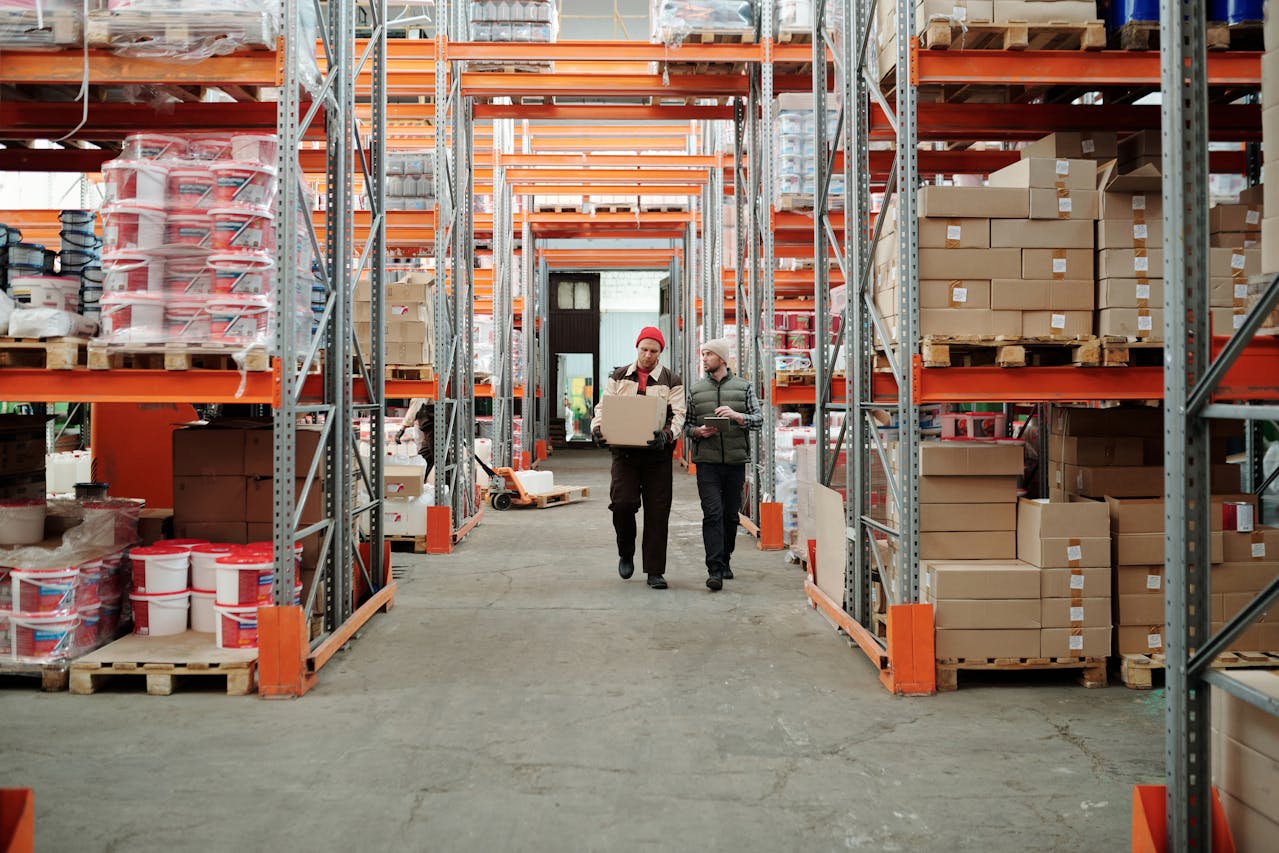
If you’ve been searching for stable employment with real growth potential in Canada, warehouse worker positions might be exactly what you’re looking for. The logistics and warehousing industry is booming across Canada, driven by the explosive growth of e-commerce and the constant need for efficient supply chain operations. With competitive wages, comprehensive benefits packages, and clear paths for career advancement, warehouse jobs in Canada offer more than just a paycheck—they provide a foundation for building a solid future.
Whether you’re new to Canada, looking to change careers, or seeking entry-level opportunities with room to grow, this comprehensive guide will walk you through everything you need to know about warehouse worker jobs in Canada. From salary expectations and job requirements to certification programs and application strategies, you’ll discover exactly how to position yourself for success in this thriving industry.
What Does a Warehouse Worker Do in Canada?
Warehouse workers are the backbone of Canada’s supply chain, ensuring that products move efficiently from manufacturers to consumers. Your daily responsibilities will vary depending on the facility, but typically include:
Core Responsibilities:
- Receiving and inspecting incoming shipments for accuracy and damage
- Loading and unloading trucks using manual labor or equipment like forklifts and pallet jacks
- Picking and packing orders according to customer specifications
- Operating warehouse management systems (WMS) and inventory tracking software
- Organizing products in designated storage areas following safety protocols
- Conducting regular inventory counts and maintaining accurate stock records
- Preparing items for shipment, including wrapping, labeling, and documentation
- Maintaining a clean, safe, and organized work environment
- Collaborating with team members to meet daily productivity targets
The beauty of warehouse work is its variety. One day you might focus on receiving shipments, while the next you’re preparing orders for Canada Post delivery or managing inventory for a major retail chain.
Warehouse Worker Salary in Canada: What Can You Expect?
Let’s talk money—because that’s what ultimately matters when you’re evaluating career options. Warehouse worker salaries in Canada are competitive and have been steadily increasing due to labor shortages and high demand.
Average Salary Ranges (2025):
- Entry-Level Warehouse Workers: $32,000 – $40,000 annually ($15-$19/hour)
- Experienced Warehouse Workers: $40,000 – $52,000 annually ($19-$25/hour)
- Specialized Roles (Forklift Operators, Inventory Specialists): $45,000 – $60,000 annually ($22-$29/hour)
- Warehouse Supervisors/Team Leads: $55,000 – $75,000+ annually
Regional Variations:
Salaries vary significantly across provinces. Alberta and British Columbia typically offer the highest wages due to cost of living and resource industry demands. Ontario warehouse workers, particularly in the Greater Toronto Area, earn competitive salaries ranging from $38,000-$55,000 annually. Prairie provinces like Manitoba and Saskatchewan offer slightly lower but still respectable wages around $35,000-$48,000 for experienced workers.
Additional Compensation:
Many warehouses offer overtime opportunities (time-and-a-half or double-time), shift premiums for evenings and weekends, performance bonuses, comprehensive health and dental benefits, retirement savings plans, and paid vacation time. Some employers even provide tuition reimbursement for professional development courses.
Essential Requirements and Qualifications
The great news about warehouse worker jobs in Canada is that the barrier to entry is relatively low, making it an accessible career path for many Canadians and newcomers alike.
Minimum Requirements:
- High school diploma or equivalent (GED)
- Legal authorization to work in Canada
- Physical ability to lift 25-50 pounds regularly
- Basic mathematical and literacy skills
- Reliable attendance and strong work ethic
Preferred Qualifications:
- Previous warehouse or logistics experience
- Forklift certification (highly valuable)
- Order picker or reach truck experience
- Familiarity with warehouse management systems
- Basic computer skills for inventory tracking
- Health and safety certification (Working at Heights, WHMIS)
Soft Skills That Matter:
- Attention to detail and accuracy
- Time management and ability to meet deadlines
- Team collaboration and communication
- Problem-solving capabilities
- Adaptability to changing priorities
Certifications That Boost Your Warehouse Career
While you can start as a warehouse worker without certifications, investing in your professional development dramatically increases your earning potential and job opportunities.
High-Value Certifications:
Forklift Operator Certification: This is the golden ticket in warehouse work. Forklift operators earn $3-$8 more per hour than general warehouse workers. Training costs $150-$400 and takes 1-3 days. Most Canadian employers require certification through accredited providers following CSA standards.
WHMIS (Workplace Hazardous Materials Information System): Mandatory for handling hazardous materials, this certification demonstrates your commitment to workplace safety and is often required by employers.
Working at Heights Training: Required in many provinces for workers operating aerial lifts or working above ground level. Particularly valuable in large distribution centers.
Supply Chain and Logistics Certificate Programs: Offered by community colleges across Canada, these programs provide comprehensive training in inventory management, procurement, and logistics operations—perfect for those seeking supervisory roles.
A Real Story: From Newcomer to Warehouse Supervisor
Meet Rajesh, a 34-year-old who immigrated to Canada from India three years ago. With an engineering degree that wasn’t immediately recognized in Canada, Rajesh took a warehouse position at a major Toronto distribution center earning $17 per hour. He was frustrated initially, feeling overqualified for the work.
However, Rajesh approached the job strategically. He completed his forklift certification within two months, volunteered for overtime shifts to learn different departments, and took an evening supply chain management course at a local college. His supervisors noticed his initiative and reliability.
Within 18 months, Rajesh was promoted to inventory specialist, then to team lead. Today, he earns $68,000 annually as a warehouse supervisor, manages a team of 15 workers, and is being considered for operations manager. His story illustrates the real career progression available in warehouse logistics when you combine hard work with strategic skill development.
How to Find and Apply for Warehouse Jobs in Canada
The job search process doesn’t have to be overwhelming if you know where to look and how to present yourself effectively.
Best Job Search Platforms:
- Indeed Canada (largest job board with thousands of warehouse listings)
- LinkedIn (great for networking and researching companies)
- Monster Canada and Workopolis
- Company career pages (Amazon, Walmart, Canadian Tire, Loblaws)
- Government Job Bank (official Canadian government resource)
- Staffing agencies specializing in warehouse and logistics placement
Application Strategy Tips:
Customize your resume for each application, highlighting relevant experience and certifications. Use keywords from the job posting like “inventory management,” “order fulfillment,” “forklift operation,” and “safety compliance.” Quantify your achievements when possible—mention the volume of orders processed, accuracy rates, or productivity improvements.
Interview Preparation:
Warehouse interviews typically focus on reliability, physical capabilities, and safety awareness. Be prepared to discuss your availability (including willingness to work various shifts), your understanding of workplace safety, examples of teamwork, and how you handle repetitive tasks. Dress professionally but practically—clean jeans and a collared shirt are generally appropriate.
Post-Application Follow-Up:
Follow up within one week of applying if you haven’t heard back. A polite email or phone call demonstrates genuine interest and can move your application to the top of the pile.
Top Employers Hiring Warehouse Workers in Canada
Canada’s logistics sector is dominated by several major employers known for competitive compensation and advancement opportunities:
E-Commerce Giants: Amazon operates dozens of fulfillment centers across Canada, offering starting wages of $17-$21/hour with benefits from day one. Their Career Choice program even pays tuition for employees pursuing degrees.
Retail Distribution Networks: Walmart, Canadian Tire, Loblaws, and Sobeys operate massive distribution networks requiring thousands of warehouse workers. These companies often promote from within.
Third-Party Logistics (3PL) Providers: Companies like DHL, FedEx, Purolator, and XPO Logistics offer diverse warehouse opportunities with exposure to multiple industries and clients.
Manufacturing and Industrial: Food processing facilities, automotive parts distributors, and pharmaceutical warehouses often provide specialized, higher-paying positions.
Career Advancement Opportunities
One of the most underrated aspects of warehouse work is the genuine career ladder available to motivated individuals.
Typical Career Progression:
- Warehouse Associate/General Laborer
- Forklift Operator or Picker/Packer
- Inventory Control Specialist or Quality Control Inspector
- Team Lead or Shift Supervisor
- Warehouse Supervisor or Department Manager
- Operations Manager or Logistics Coordinator
- Distribution Center Manager
Each step brings increased responsibility, higher compensation, and better work-life balance. Many warehouse managers started on the floor, learning every aspect of operations before moving into leadership roles.
Frequently Asked Questions
Q: Do I need previous experience to get hired as a warehouse worker in Canada?
A: No, many entry-level warehouse positions require no previous experience. Employers typically provide on-the-job training for their specific systems and processes. However, any related experience in retail, construction, or manual labor can strengthen your application. What matters most is your reliability, work ethic, and willingness to learn.
Q: Are warehouse jobs physically demanding?
A: Yes, warehouse work involves physical activity including standing for extended periods, walking several miles per shift, lifting and carrying items, and repetitive motions. However, modern warehouses increasingly use equipment like forklifts, conveyor systems, and automated picking technology to reduce physical strain. Proper training, safety equipment, and adherence to ergonomic practices help minimize injury risk.
Q: What shifts do warehouse workers typically work in Canada?
A: Warehouse operations often run 24/7, offering various shift options including day shifts (7am-3pm), afternoon shifts (3pm-11pm), night shifts (11pm-7am), and rotating shifts. Many workers prefer afternoon or night shifts due to shift premiums ($1-$3/hour extra). Weekend shifts often pay even higher premiums. Flexibility with scheduling significantly increases your hiring chances.
Q: Can international workers get warehouse jobs in Canada?
A: Yes, if you have legal work authorization. Permanent residents and those with valid work permits can apply for warehouse positions. Some employers sponsor temporary foreign workers through programs like the Temporary Foreign Worker Program when facing labor shortages. Having Canadian work experience, even in warehouse settings, also strengthens future immigration applications.
Q: What’s the difference between warehouse worker and material handler jobs?
A: These terms are often used interchangeably, though material handlers may focus more specifically on moving materials between production areas using equipment. Both roles involve similar responsibilities including inventory management, loading/unloading, and maintaining organized storage areas. Pay ranges are comparable, typically $16-$24/hour depending on experience and location.
Conclusion: Your Warehouse Career Starts Now
Warehouse worker jobs in Canada represent more than just employment—they offer a genuine pathway to financial stability, professional growth, and long-term career success. With competitive wages starting at $15-$19 per hour and climbing to $60,000+ for specialized roles, clear advancement opportunities, and an industry that continues expanding year after year, there’s never been a better time to explore this career path.
Whether you’re a newcomer building your Canadian work experience, someone seeking a career change, or a young person entering the workforce, the warehouse and logistics industry welcomes motivated individuals ready to learn and grow. Start by identifying your target employers, polishing your resume to highlight relevant skills, and pursuing certifications like forklift training that immediately increase your value.
Remember Rajesh’s story—your starting point doesn’t define your destination. With dedication, strategic skill development, and consistent performance, you can transform an entry-level warehouse position into a thriving career that supports your family and future goals.
The boxes won’t move themselves, and Canadian businesses need reliable, hardworking people like you to keep their operations running smoothly. Your next opportunity is waiting—take that first step, submit those applications, and show employers what you’re capable of achieving. You’ve got this.