If you’ve been searching for stable employment with good earning potential in Canada, factory worker positions might be exactly what you’re looking for. With Canada’s manufacturing sector contributing over $174 billion to the national economy, the demand for skilled and general factory workers continues to grow across provinces like Ontario, Alberta, and British Columbia.
Whether you’re a newcomer exploring immigration pathways or a Canadian resident considering a career change, factory work offers competitive wages, comprehensive benefits, and opportunities for advancement that many other entry-level positions simply can’t match. In this comprehensive guide, we’ll walk you through everything you need to know about becoming a factory worker in Canada—from salary expectations and visa requirements to the day-to-day realities and long-term career prospects.
What Does a Factory Worker Do in Canada?
Factory workers form the backbone of Canada’s manufacturing industry, performing essential tasks that keep production lines moving and products reaching consumers. Your specific responsibilities will vary depending on the industry sector, but most factory positions share common elements.
Core Responsibilities
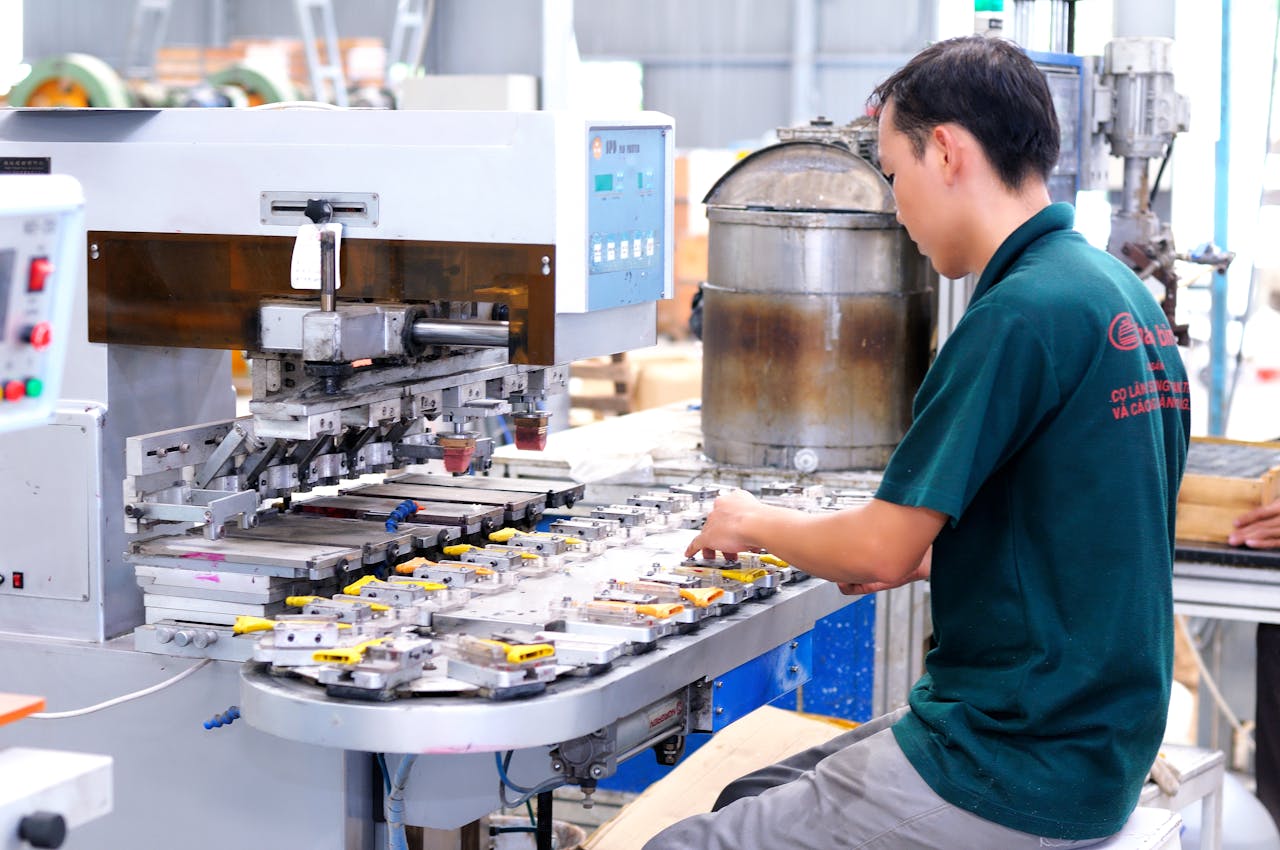
Typical duties include operating machinery and equipment, assembling components according to specifications, conducting quality control inspections, packaging finished products, maintaining clean and organized workspaces, and following strict safety protocols. You might find yourself working with automated systems, hand tools, or specialized manufacturing equipment depending on your employer.
Industry Sectors Hiring Factory Workers
Canada’s manufacturing landscape offers diverse opportunities. The automotive manufacturing sector in Ontario employs thousands in assembly plants. Food processing facilities across all provinces need workers year-round. Aerospace manufacturing in Quebec and Ontario provides high-skilled factory positions. Pharmaceutical and medical device manufacturing offers clean-room factory work. Wood product and furniture manufacturing thrives in British Columbia. Metal fabrication and machinery manufacturing exists nationwide.
Factory Worker Salary in Canada: What You Can Expect
Let’s talk numbers—because knowing your earning potential matters when planning your future.
Average Salary Ranges
Entry-level factory workers in Canada typically earn between $30,000 and $38,000 annually, translating to roughly $15-$19 per hour. With experience and specialized skills, mid-level positions command $40,000-$55,000 yearly. Senior factory workers and those with technical certifications can earn $55,000-$70,000 or more, especially in unionized facilities or specialized manufacturing sectors.
Factors Affecting Your Earnings
Your location significantly impacts salary—Ontario and Alberta generally offer higher wages than Atlantic provinces. Industry sector matters too; automotive and pharmaceutical manufacturing typically pay more than food processing. Shift differentials add premium pay for night and weekend work, sometimes 10-20% more than day shifts. Overtime opportunities can substantially boost your annual income, with time-and-a-half or double-time rates. Union membership often means better wages, benefits, and job security.
Additional Benefits and Compensation
Beyond base salary, most factory positions include comprehensive health and dental insurance, retirement savings plans with employer matching, paid vacation starting at two weeks annually, sick leave and personal days, and some employers even offer profit-sharing or performance bonuses. When you calculate your total compensation package, the real value often exceeds the base salary by 20-30%.
Immigration Pathways: How Foreign Workers Can Become Factory Workers in Canada
Canada actively welcomes skilled workers through various immigration programs, and factory positions often qualify under these pathways.
Temporary Foreign Worker Program (TFWP)
Many Canadian manufacturers use the TFWP to fill labor shortages. Your employer sponsors your work permit, demonstrating they couldn’t find Canadian workers for the position. These permits typically last 1-2 years and can be extended. This pathway doesn’t require extensive prior experience for many positions.
Provincial Nominee Programs (PNP)
Several provinces offer immigration streams specifically for workers in in-demand occupations, including factory workers. Ontario’s PNP includes manufacturing workers. Manitoba actively recruits factory workers through its Skilled Worker streams. Saskatchewan’s In-Demand Occupation List frequently includes manufacturing positions. These programs can lead to permanent residency faster than federal programs.
Express Entry and Canadian Experience Class
If you’ve worked in Canada on a temporary work permit, you might qualify for permanent residence through the Canadian Experience Class under Express Entry. Factory work experience counts toward eligibility, especially when combined with language skills and education.
A Day in the Life: Real Stories from Canadian Factory Workers
Meet Priya, who immigrated from India three years ago. She started at an automotive parts manufacturer in Brampton, Ontario, earning $17 per hour. “I was nervous about the physical demands at first,” she shares, “but the training was thorough, and my team was incredibly supportive. Within 18 months, I became a line supervisor, and my wages increased to $24 per hour. I’ve bought my first car and am saving for a house. The overtime opportunities during busy seasons help me reach my financial goals faster.”
Then there’s Marcus from the Philippines, working at a food processing plant in Calgary. “The shift work took adjustment—I work four days on, three days off, rotating between days and nights. But the schedule flexibility lets me attend my daughter’s school events, and the comprehensive health benefits covered my wife’s medical needs without financial stress. After two years, my employer sponsored my permanent residency application.”
These aren’t isolated success stories. Thousands of factory workers across Canada build stable, comfortable lives while contributing to the economy and supporting their families back home.
Skills and Requirements for Factory Work in Canada
You don’t need a university degree to succeed as a factory worker, but certain skills and qualifications will boost your opportunities.
Educational Requirements
Most positions require a high school diploma or equivalent. Some specialized roles might need technical certificates or community college programs. Trade certifications (welding, machining, electrical) open doors to higher-paying positions.
Essential Soft Skills
Attention to detail ensures quality and reduces errors. Physical stamina and ability to stand for extended periods matters for most roles. Teamwork and communication skills help you collaborate effectively. Reliability and punctuality are non-negotiable in manufacturing environments. Willingness to learn and adapt to new processes shows growth potential.
Language Requirements
While you don’t need perfect English or French, functional communication skills are essential for safety and collaboration. Many employers provide language support programs. Canadian Language Benchmark (CLB) Level 4-5 generally suffices for most factory positions.
Job Security and Career Growth Opportunities
The manufacturing sector’s resilience might surprise you. Despite automation concerns, human workers remain essential.
Long-Term Stability
Canada’s manufacturing sector continues evolving rather than disappearing. Automation creates new roles requiring human oversight and technical skills. Government investments in domestic manufacturing strengthen job security. Aging workforce demographics mean continued demand for new workers.
Career Advancement Paths
Starting as a general factory worker doesn’t mean staying there forever. You can progress to machine operator roles with specialized training, move into quality control or inspection positions, advance to supervisory and management roles, transition to maintenance and technical positions, or even explore production planning and logistics careers.
Many manufacturers offer paid training programs, tuition reimbursement for relevant courses, and clear advancement frameworks. Your willingness to learn and take on responsibility directly impacts your trajectory.
How to Find Factory Worker Jobs in Canada
Ready to start your search? Here’s where to look.
Online Job Platforms
Job Bank Canada (government job site) lists thousands of positions. Indeed Canada and Workopolis feature extensive manufacturing listings. LinkedIn increasingly includes factory and manufacturing roles. Industry-specific sites like Manufacturing.net Canada target sector jobs.
Recruitment Agencies
Specialized staffing agencies like Manpower, Adecco, and Randstad maintain strong manufacturing connections. They can place you in temporary positions that often lead to permanent employment. These agencies understand visa processes and can guide international applicants.
Direct Employer Applications
Research major manufacturers in your target province and apply directly through their career pages. Large companies like Magna International, Linamar, and Bombardier regularly hire. Small and medium manufacturers often post opportunities on their websites.
Preparing for Your Factory Worker Interview
You’ve secured an interview—here’s how to make a strong impression.
What Employers Look For
Demonstrate reliability through your employment history and references. Show safety consciousness by discussing how you prioritize workplace safety. Express willingness to work various shifts and overtime when needed. Emphasize your team-player attitude and examples of collaboration. Highlight any relevant technical skills or certifications.
Common Interview Questions
Expect questions about your physical ability to perform the work, experience with machinery or manufacturing processes, how you handle repetitive tasks, your approach to quality and accuracy, and your availability and flexibility regarding schedules.
Making a Strong Impression
Arrive 10-15 minutes early, dress appropriately (business casual, clean and neat), bring copies of your resume and certifications, ask thoughtful questions about training and advancement, and follow up with a thank-you email within 24 hours.
Workplace Safety and Your Rights as a Factory Worker
Canadian workplaces prioritize safety through strict regulations and enforcement.
Safety Standards
All provinces enforce occupational health and safety legislation. You have the right to refuse unsafe work without penalty. Employers must provide proper training and personal protective equipment. Regular safety meetings and inspections are mandatory.
Workers’ Rights and Protections
You’re entitled to fair wages with proper overtime pay, reasonable working hours with mandated breaks, protection from discrimination and harassment, workers’ compensation for workplace injuries, and union representation in many facilities.
Understanding your rights empowers you to work confidently and speak up when necessary.
FAQs: Factory Worker Jobs in Canada
Q: Do I need Canadian work experience to get a factory job in Canada?
A: No, many factory positions don’t require Canadian experience. Employers value reliability, willingness to learn, and safety consciousness over local experience. Some positions through the Temporary Foreign Worker Program specifically target international candidates without Canadian work history.
Q: What is the typical work schedule for factory workers in Canada?
A: Schedules vary by employer and industry. Common arrangements include 8-hour shifts (days, afternoons, or nights), 12-hour shifts with more days off, rotating shift patterns, and some facilities operating 24/7 requiring weekend work. Many workers appreciate shift premiums and schedule flexibility.
Q: Can factory work lead to permanent residence in Canada?
A: Yes, absolutely. Many factory workers obtain permanent residence through Provincial Nominee Programs, the Canadian Experience Class after working temporarily, or employer-sponsored immigration pathways. Manufacturing experience counts toward immigration points, especially with language skills and education.
Q: Are factory jobs in Canada physically demanding?
A: Physical demands vary by position and industry. Some roles involve standing for long periods, lifting moderate weights, or repetitive motions. However, modern manufacturing often includes ergonomic equipment, job rotation to prevent strain, and mechanized assistance for heavy lifting. Employers must accommodate workers within reasonable limits.
Q: What are the busiest hiring seasons for factory workers in Canada?
A: Manufacturing hiring peaks during late winter to early spring (February-April) as companies prepare for increased production, and late summer to fall (August-October) when seasonal production ramps up. However, many facilities hire year-round due to consistent turnover and expansion.
Conclusion: Your Manufacturing Career Awaits
The path to becoming a factory worker in Canada offers more than just a paycheck—it’s a gateway to stability, growth, and the Canadian dream for many. With competitive salaries ranging from $30,000 to $70,000+ depending on experience and sector, comprehensive benefits packages, and clear immigration pathways for international workers, manufacturing careers provide solid foundations for your future.
Canada’s manufacturing sector isn’t disappearing; it’s evolving. The facilities are cleaner, safer, and more technologically advanced than ever before. The workers are more diverse, bringing skills and perspectives from around the globe. And the opportunities for those willing to work hard and continuously learn have never been better.
Whether you’re just starting your career journey, seeking a fresh start in a new country, or looking for stable employment with room to grow, factory work in Canada deserves your serious consideration. The industry needs you—your reliability, your dedication, your willingness to contribute to products that people use every day.
Take that first step. Update your resume, research employers in your target province, and start applying. Your future colleagues are already building their Canadian success stories, one shift at a time. Why shouldn’t you be next? The factory floor might just be where your Canadian adventure begins, and where you discover capabilities you never knew you had.
After all, every product made in Canada carries the fingerprints of workers who showed up, did their best, and built something meaningful—not just for themselves, but for everyone who benefits from their dedication. That could be you.