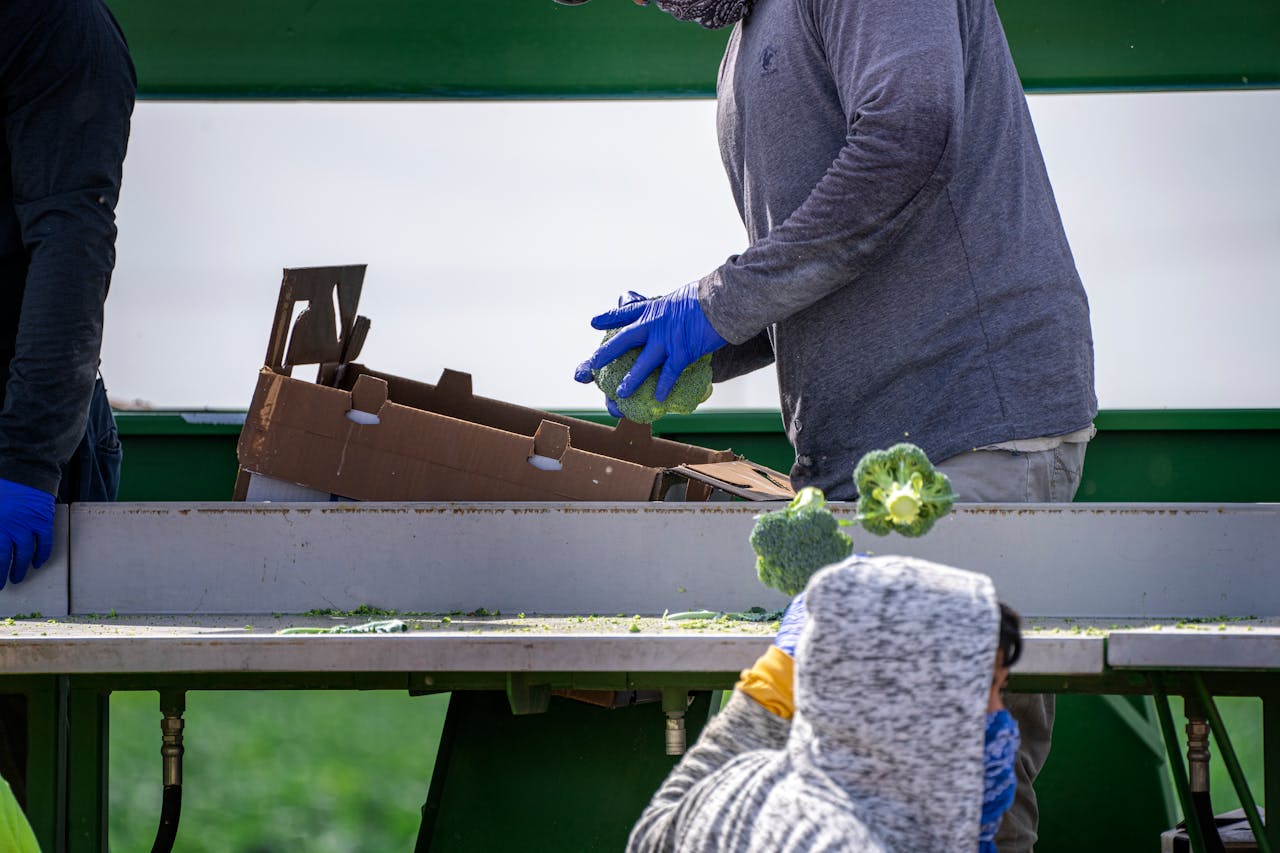
Have you ever dreamed of working in Italy while earning a competitive salary? The Italian food processing industry might just be your golden ticket. With Italy being one of Europe’s food production powerhouses—famous for pasta, olive oil, cheese, wine, and cured meats—the demand for skilled workers in food processing and packing facilities has never been higher.
Whether you’re considering relocating to Italy for work or simply exploring international job opportunities, understanding the landscape of food processing jobs in Italian factories can open doors you never knew existed. This comprehensive guide will walk you through everything you need to know about securing higher-paying positions in Italy’s thriving food manufacturing sector.
Why Italy’s Food Processing Industry is Booming
Italy’s food and beverage sector contributes significantly to the national economy, generating over €140 billion annually. The country exports premium food products worldwide, creating a constant need for reliable workers in processing plants, packaging facilities, and quality control departments.
The “Made in Italy” label carries immense value globally, and manufacturers maintain strict quality standards to preserve their reputation. This means they’re willing to invest in skilled workers who can help maintain these high standards—and that translates to better wages and working conditions for employees.
Recent industry growth has created opportunities in:
- Pasta and grain processing facilities
- Olive oil production and bottling plants
- Cheese and dairy manufacturing
- Wine production and packaging
- Meat processing and curing facilities
- Canned goods and preserved foods production
Understanding Salary Ranges for Food Processing Jobs in Italy
Let’s talk numbers—because that’s what matters when you’re planning an international move. Salaries in Italian food processing factories vary based on your experience, the specific region, and the type of work you’ll be doing.
Entry-level positions typically start at €1,200-€1,500 per month for basic packing and assembly line work. However, with experience and specialized skills, you can earn significantly more.
Mid-level positions such as machine operators, quality control technicians, or line supervisors earn between €1,800-€2,500 monthly. These roles require some technical knowledge or previous factory experience.
Specialized and supervisory roles including food safety officers, production managers, or maintenance technicians can command salaries of €2,500-€3,500 or more per month.
Keep in mind that many employers offer additional benefits like accommodation assistance, meal vouchers, health insurance, and performance bonuses—factors that can substantially increase your total compensation package.
Regional Differences in Pay and Opportunities
Northern Italy, particularly regions like Emilia-Romagna, Lombardy, and Veneto, tends to offer higher wages due to the concentration of large food manufacturers and higher cost of living. Southern regions may offer slightly lower base salaries but often have lower living expenses, which can balance out financially.
Types of Food Processing and Packing Jobs Available
The Italian food industry offers diverse roles suited to various skill levels and interests. Understanding these categories helps you target positions that match your qualifications and career goals.
Production Line Workers
These are the backbone of any food processing facility. Responsibilities include operating packing machines, sorting products, labeling, and ensuring products meet quality standards before shipping. While often considered entry-level, experienced line workers who demonstrate efficiency and reliability can advance quickly.
Quality Control Inspectors
Food safety is paramount in Italy. Quality control roles involve monitoring production processes, conducting hygiene checks, testing products, and ensuring compliance with EU food safety regulations. These positions typically require attention to detail and may need specific certifications.
Machine Operators and Technicians
Operating and maintaining specialized food processing equipment requires technical skills. These higher-paying roles involve running production machinery, performing routine maintenance, troubleshooting issues, and ensuring minimal downtime.
Warehouse and Logistics Staff
Moving products from production to storage and shipping requires organized workers skilled in inventory management, forklift operation, and logistics coordination.
Real Story: Maria’s Journey from Entry-Level to Supervisor
Maria, a 32-year-old worker from the Philippines, started as a basic packing line worker at a pasta factory in Emilia-Romagna three years ago, earning €1,300 monthly. She arrived through a seasonal work visa program, knowing minimal Italian but determined to build a better life.
Within six months, Maria volunteered for extra training sessions on quality control procedures. Her attention to detail caught her supervisor’s attention, and she was promoted to quality checker with a €300 monthly raise. She used free evenings to learn Italian through community classes offered by her employer.
Today, Maria works as a line supervisor earning €2,400 monthly, manages a team of twelve workers, and has permanent residency. “I never imagined I’d build a career in a pasta factory,” she laughs, “but the opportunities are real if you show up, work hard, and keep learning.”
Visa Requirements and Work Permits for Non-EU Citizens
Securing legal permission to work in Italy is crucial. For non-EU citizens, the process typically involves:
Seasonal Work Visa (Decreto Flussi): Italy releases annual quotas for non-EU workers in various sectors, including agriculture and food processing. Employers must sponsor your application, and positions are typically 6-9 months with possibility of renewal.
Employment Visa: For permanent positions, employers must prove they couldn’t fill the role with EU workers. This process takes longer but offers more stability and pathways to permanent residency.
Work Permit Requirements:
- Valid passport
- Job offer from an Italian employer
- Proof of accommodation in Italy
- Health insurance coverage
- Clean criminal record
- Sometimes, proof of relevant qualifications or experience
Processing times vary, so start applications at least 3-6 months before your intended start date. Many recruitment agencies specializing in food industry placements can guide you through this process.
Top Regions and Employers in Italian Food Manufacturing
Knowing where to focus your job search increases your chances of landing a higher-paying position.
Emilia-Romagna is Italy’s food valley, home to Parma ham, Parmigiano-Reggiano cheese, and balsamic vinegar production. Major employers include Barilla (pasta), Ferrero (confectionery), and numerous smaller specialty producers.
Lombardy hosts dairy processing facilities, rice production, and diversified food manufacturing. Companies like Galbani (cheese) and numerous frozen food producers operate here.
Veneto specializes in wine bottling, pasta production, and frozen vegetables. The Prosecco region alone employs thousands in wine production and packaging.
Campania and Sicily in southern Italy offer opportunities in tomato processing, olive oil production, and citrus packing, often with lower living costs.
Research companies in your target region, check their career pages regularly, and don’t hesitate to contact them directly even if positions aren’t advertised—many plants hire continuously.
Skills That Command Higher Salaries
While many food processing jobs don’t require advanced degrees, certain skills can significantly boost your earning potential:
HACCP Certification: Understanding Hazard Analysis and Critical Control Points for food safety is highly valued and sometimes required for quality control roles.
Technical Skills: Experience with industrial machinery, basic maintenance, or computer systems for inventory management sets you apart.
Language Skills: Italian is essential for advancement, but English proficiency is increasingly valuable as companies export globally. Basic Italian opens doors; fluency opens careers.
Flexibility and Reliability: Willingness to work shifts (including nights and weekends) and consistent attendance are noticed and rewarded in factory environments.
Certifications in Food Safety: EU-recognized food handling certifications demonstrate professionalism and can lead to supervisory roles.
How to Find and Apply for Food Processing Jobs in Italy
Your job search strategy matters as much as your qualifications.
Online Job Portals: Websites like Indeed.it, InfoJobs, LinkedIn, and specialized platforms like LavoroTurismo (which includes seasonal food processing) list opportunities daily. Set up alerts for “food processing,” “confezionamento alimentare,” or “produzione alimentare.”
Recruitment Agencies: Several agencies specialize in placing international workers in Italian factories. They handle visa paperwork and often have relationships with major employers. Examples include Synergie, Adecco Italia, and Gi Group.
Direct Applications: Visit company websites of major food producers. Many have dedicated career sections and welcome direct applications. A well-crafted CV highlighting relevant experience—even from different industries—can get noticed.
Networking: Join Facebook groups for expatriates in Italy or workers in specific regions. Current employees often share job openings before they’re publicly advertised.
Prepare Your Application Materials:
- Create an Italian-format CV (Curriculum Vitae) – different from US/UK resumes
- Write a brief cover letter in Italian if possible (even simple Italian shows effort)
- Highlight any previous factory, production, or food service experience
- Emphasize reliability, work ethic, and willingness to learn
Living and Working in Italy: What to Expect
Beyond the paycheck, understanding daily life in Italy helps you make informed decisions.
Cost of Living: Northern Italy is more expensive (€600-€900 monthly for a room in shared accommodation), while southern regions offer more affordable housing (€300-€500). Factor in food, transportation, and utilities when budgeting.
Work Culture: Italian workplaces value relationships and communication. Learning the language accelerates integration and shows respect for your colleagues and supervisors. Italians appreciate politeness, punctuality, and team spirit.
Work Hours: Expect 38-40 hour weeks, often with shift work in production facilities. Overtime is common and usually paid at higher rates—an opportunity to increase earnings.
Healthcare: Workers contribute to Italy’s national health system (Servizio Sanitario Nazionale), which provides comprehensive medical care. This is a significant benefit compared to many countries.
Career Progression: Italian companies often promote from within. Demonstrating commitment, learning Italian, and taking on additional responsibilities can lead to supervisory roles and higher pay within 1-3 years.
Frequently Asked Questions
Q: Do I need to speak Italian to work in a food processing factory in Italy?
A: While basic Italian significantly helps with integration and advancement, some large international companies hire workers with minimal Italian for entry-level positions, especially if other languages like English are spoken. However, learning Italian should be a priority for long-term success and higher-paying roles. Many employers offer free or subsidized language classes.
Q: Are food processing jobs in Italy safe and regulated?
A: Yes, Italy follows strict EU workplace safety and food hygiene regulations. Reputable employers provide proper training, safety equipment, and adhere to labor laws. Always work with licensed employers and avoid undocumented positions. Check company reviews and certifications before accepting offers.
Q: Can food processing jobs in Italy lead to permanent residency?
A: Absolutely. Legal employment on a work visa can lead to permanent residency after meeting requirements (typically 5 years of legal residence, language proficiency, and stable income). Many workers successfully transition from seasonal contracts to permanent positions and eventually citizenship.
Q: What’s the typical application-to-hire timeline for these positions?
A: For seasonal positions through Decreto Flussi, the process takes 3-6 months from application to arrival. Direct hires with established work permits may move faster (6-12 weeks). Recruitment agencies can expedite processes. Start early and maintain communication with potential employers.
Q: Are there opportunities for career growth beyond factory floor positions?
A: Yes, many workers advance to supervisory, quality management, logistics coordination, or technical maintenance roles. Some companies offer training programs for motivated employees. With experience and Italian language skills, moving into administrative or management positions is realistic.
Taking the Next Step Toward Your Italian Opportunity
Starting a career in Italy’s food processing industry isn’t just about packing pasta or bottling olive oil—it’s about building a foundation for a new life in one of the world’s most culturally rich countries. The journey from your first day on a production line to becoming a valued team member with stable income and residency is walked by thousands every year.
Yes, there will be challenges. Learning a new language while adjusting to different work cultures and being away from home isn’t easy. There will be early morning shifts, moments of homesickness, and times when you question your decision. But remember Maria’s story—and the countless others like her who transformed opportunity into success through persistence and positivity.
The Italian food industry isn’t just looking for workers; they’re seeking reliable, dedicated people who take pride in contributing to products enjoyed worldwide. Every package of pasta, every bottle of olive oil, every wheel of cheese represents not just Italian tradition, but also the hands and hearts of people like you who make it possible.
If you’re ready to combine work with la dolce vita, to earn competitive wages while living in a country renowned for its food, culture, and quality of life, then food processing jobs in Italy deserve serious consideration. Start researching today, prepare your documents, learn some basic Italian phrases, and take that first step.
Your Italian adventure might just be one application away. And who knows? A few years from now, you might be the one sharing your success story, encouraging others to take the same leap you’re considering today.
The factories are running, the production lines are moving, and there’s a place waiting for someone ready to seize it. That someone could be you.