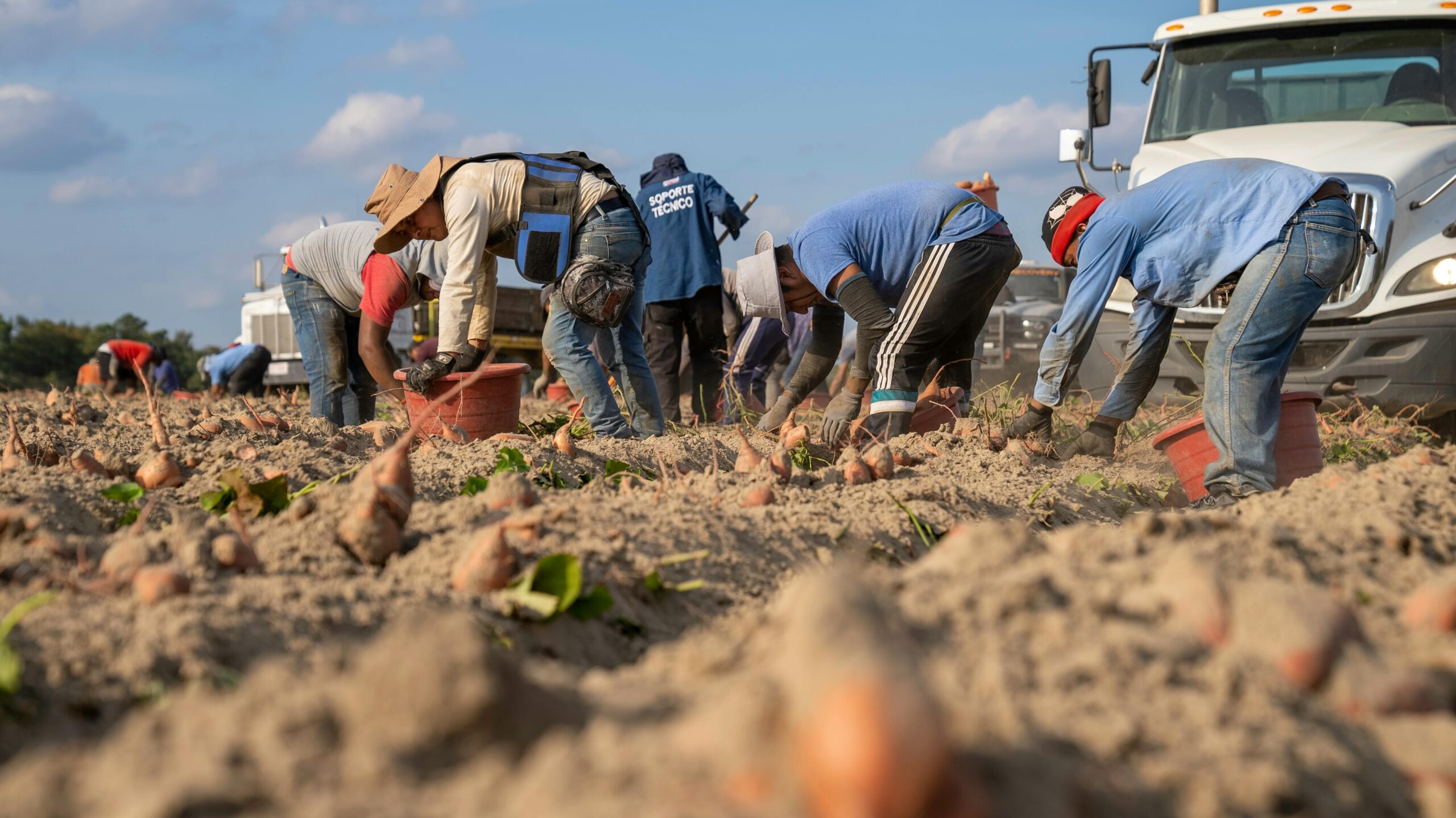
Canada’s agricultural sector faces a critical reality: there simply aren’t enough workers to harvest the crops, tend the livestock, and keep the country’s farms running. This challenge has created extraordinary opportunities for farm workers from around the world, with over 60,000 foreign agricultural workers arriving in Canada annually through official programs.
If you’re considering farm worker jobs in Canada, you’re looking at more than temporary employment. This is a legitimate pathway to stable income, potential permanent residency, and a fresh start in one of the world’s most welcoming countries. Farm workers in Canada earn between $15 and $22 per hour, with many positions including accommodation, meals, and comprehensive employer support.
This guide breaks down everything you need to know about securing farm work in Canada, from understanding the Seasonal Agricultural Worker Program to navigating permanent residency options. Whether you’re from Mexico, Jamaica, the Philippines, or anywhere else in the world, Canadian farms are actively seeking reliable workers right now.
Understanding Canada’s Agricultural Labor Shortage
Canada’s farming industry contributes over $30 billion annually to the national economy, but it’s facing an unprecedented workforce crisis. With less than 2% of Canadians now living on farms and younger generations choosing urban careers, agricultural employers struggle to fill positions year after year.
The shortage spans every agricultural sector: fruit and vegetable farms in British Columbia and Ontario need pickers and packers, grain operations across the prairies require equipment operators and laborers, greenhouse operations in Quebec and Alberta seek year-round workers, and livestock farms everywhere need dedicated animal care specialists.
This isn’t seasonal variation—it’s structural demand. Canada’s immigration system has responded by creating specific programs designed to bring international farm workers into the country legally, safely, and with proper protections. Unlike underground labor markets in some countries, Canada’s agricultural employment programs are government-regulated, ensuring fair treatment and legitimate pathways to long-term opportunities.
For workers, this translates into real advantages: guaranteed minimum wages, legal work permits, employer-provided housing, and in many cases, opportunities to extend stays or even apply for permanent residency after gaining Canadian work experience.
Farm Worker Salary and Compensation in Canada
Let’s address the money question directly, because your earnings determine whether this opportunity makes practical sense for you and your family.
Entry-level farm workers typically earn between $15.00 and $17.50 per hour, depending on the province and specific tasks. This meets or exceeds provincial minimum wage requirements across Canada. Experienced workers with specialized skills—operating machinery, greenhouse climate control, livestock management—command $18 to $22 per hour or more.
Here’s what typical compensation packages include:
Hourly wages with guaranteed minimum hours per week (usually 40 hours, often with overtime availability during peak seasons). Many positions offer piece-rate options for experienced pickers, where productivity directly increases earnings—skilled fruit pickers can sometimes earn $200 to $300 daily during peak harvest.
Employer-provided accommodation is standard, either on-farm housing or nearby rental properties. While quality varies, most programs require employers to meet specific housing standards, including private sleeping areas, cooking facilities, and clean living conditions.
Some employers include meals or provide stipends for groceries. Transportation to and from the farm is typically covered, especially for workers arriving through official programs.
Health insurance coverage is mandatory under most agricultural worker programs, protecting you during your stay in Canada.
Provincial wage variations matter significantly:
British Columbia farm workers earn $16.75 to $22 per hour in the Fraser Valley and Okanagan regions, where fruit and vegetable production dominates. Ontario’s agricultural heartland pays $15.50 to $19 per hour, with higher rates for greenhouse and specialty crop operations. Alberta offers $15 to $20 hourly for both crop and livestock work. Quebec provides $15.25 to $18 per hour, particularly in dairy and vegetable farming regions.
After deductions for taxes, housing, and mandatory programs like Employment Insurance, expect to take home roughly 70-75% of gross earnings. A farm worker earning $17 per hour working 40 hours weekly takes home approximately $2,000 to $2,200 monthly after deductions.
The Seasonal Agricultural Worker Program (SAWP)
The SAWP represents the most established route for farm workers from specific countries. Operating since 1966, this program brings over 30,000 workers to Canada annually, primarily from Mexico and Caribbean nations.
Here’s how SAWP works:
Only workers from participating countries qualify: Mexico, Jamaica, Trinidad and Tobago, Barbados, and several other Caribbean nations. If you’re from an eligible country and aged 18 or older with agricultural experience, you can apply through your country’s government labor department.
Canadian employers request workers through Service Canada, specifying numbers needed and duration (typically 8 weeks to 8 months). Your government agency then matches workers to positions based on experience and employer requirements.
Once matched, you’ll receive a work permit allowing you to work only for your assigned employer. Housing is provided, and round-trip transportation costs are typically shared between you and the employer.
The program includes important protections:
Contracts guarantee minimum work hours and hourly wages. Government inspectors visit farms to ensure compliance with housing and working standards. Workers contribute to Canadian Employment Insurance and can access benefits if injured or unable to work.
Maria’s story illustrates the program’s potential: A single mother from Veracruz, Mexico, Maria first came to Ontario through SAWP in 2018 to work on a vegetable farm. She returned annually, building relationships with her employer and saving most of her earnings to support her children’s education back home. After four seasons, her employer nominated her through the Agri-Food Immigration Pilot, and she’s now on the pathway to permanent residency, with her children preparing to join her in Canada.
Agricultural Stream and Agri-Food Immigration Pilot
Beyond temporary work, Canada has created permanent residency pathways specifically for agricultural and food processing workers—a game-changer for those seeking long-term futures in the country.
The Agri-Food Immigration Pilot, launched in 2020 and recently extended, offers permanent residency to experienced workers in meat processing, mushroom production, greenhouse crop production, and livestock raising. This isn’t theoretical—thousands of farm workers have already transitioned from temporary work permits to permanent resident status through this program.
Eligibility requirements include:
At least one year of full-time Canadian work experience in eligible agricultural occupations within the past three years. This means you’ll typically need to work temporarily in Canada first, building the required experience.
Language proficiency at CLB 4 (basic conversational English or French), which is achievable with focused preparation. Educational credentials equivalent to Canadian high school completion.
An eligible job offer from a Canadian employer in one of the qualifying industries, demonstrating the employer’s commitment to your long-term employment.
Provincial Nominee Programs also include agricultural streams:
Saskatchewan has prioritized farm workers and food processing employees in its immigration streams. Manitoba actively recruits agricultural workers through its provincial program, with faster processing for in-demand positions. British Columbia’s agricultural worker stream targets specific sectors including greenhouse operations and tree fruit production.
These programs recognize that agriculture isn’t just seasonal work—it’s skilled labor requiring knowledge, dedication, and expertise. The pathway from temporary farm worker to permanent resident to Canadian citizen is well-established and actively encouraged by the government.
Types of Farm Work Available in Canada
Canadian agriculture is remarkably diverse, offering various types of work suited to different skills, preferences, and physical capabilities.
Crop Production and Harvesting dominates hiring, especially in spring through fall. Fruit picking operations in British Columbia’s Okanagan Valley, Ontario’s Niagara region, and Nova Scotia need thousands of workers for apples, cherries, peaches, and berries. Vegetable harvesting in the Fraser Valley, southern Ontario, and Quebec involves lettuce, tomatoes, peppers, and specialty crops. These positions require physical stamina but no special qualifications, making them accessible entry points.
Greenhouse Operations provide year-round work in climate-controlled environments. Ontario leads Canada in greenhouse production, with massive tomato, cucumber, and pepper operations around Leamington and other southwestern communities. These positions often involve planting, pruning, pollination assistance, and harvesting—more technical than field work, with better wages reflecting increased skill requirements.
Livestock and Dairy Farming offers stable, year-round employment. Cattle ranches across Alberta, Saskatchewan, and Manitoba need workers for feeding, health monitoring, and facility maintenance. Dairy farms, concentrated in Ontario, Quebec, and British Columbia, require dedicated workers for milking, calf care, and barn operations. These positions demand early mornings and consistent schedules but provide steady income regardless of season.
General Farm Labor encompasses equipment operation, fence repair, irrigation system maintenance, and countless other tasks keeping farms operational. Workers with mechanical aptitude, tractor operation experience, or general maintenance skills find particularly strong demand.
Food Processing and Packing facilities hire extensively, often preferring workers with farm experience. These indoor positions involve sorting, grading, packaging, and preparing products for market—crucial links between farm production and consumer markets.
How to Find and Apply for Farm Worker Jobs in Canada
The application process varies significantly depending on whether you’re applying from within Canada or internationally, and which program route you’re pursuing.
For SAWP-eligible workers from Mexico and Caribbean countries, start with your national agricultural labor office—STPS in Mexico, Ministry of Labour offices in Jamaica, etc. Register as an available worker, providing documentation of agricultural experience, health certificates, and passport information. Your government will maintain your file and match you with Canadian employer requests. This process can take several months, so apply well before seasonal work begins.
For workers from non-SAWP countries, the process typically involves:
Identifying Canadian employers using the Temporary Foreign Worker Program. Job Bank Canada lists verified agricultural positions, many noting “LMIA approved” or “willing to sponsor foreign workers.” Agricultural employment agencies like FERME in Quebec and AgriRecruiting connect international workers with Canadian farms.
Apply directly to employers, emphasizing any agricultural experience, physical fitness, willingness to live in rural areas, and commitment to completing full contract terms. Canadian farmers value reliability above all else—workers who complete their contracts and perform well often receive offers to return.
Essential application documents include:
Valid passport with sufficient remaining validity. Educational credentials and any agricultural training certificates. Reference letters from previous employers, especially agricultural positions. Medical examination results from approved panel physicians. Police clearance certificates showing no criminal record.
Organizations like FARMS (Foreign Agricultural Resource Management Services) facilitate placements for both employers and workers, handling administrative complexities and ensuring program compliance.
Don’t overlook smaller farms and specialized operations. While large commercial farms hire the most workers, smaller organic farms, specialty crop operations, and family farms often provide more personal working environments and potential for long-term relationships leading to permanent opportunities.
Living and Working Conditions on Canadian Farms
Understanding daily realities helps you prepare mentally and practically for farm work in Canada.
Most accommodations are shared housing, with private bedrooms but communal kitchens, bathrooms, and living spaces. Standards vary—some employers provide excellent modern housing, while others offer basic but functional facilities. Government inspections ensure minimum standards, but asking employers specific questions about housing before accepting positions prevents surprises.
Rural locations mean limited access to shopping, entertainment, and services. Many farms are 30 to 60 minutes from the nearest town, with infrequent public transportation. Some employers organize shopping trips; others provide bicycles or assist with transportation arrangements. Cell phone service and internet access exist but can be unreliable in remote agricultural areas.
Work schedules follow nature’s rhythms, not the clock. During harvest, expect long days starting at sunrise—12-hour days aren’t uncommon during peak season. Weather dictates work: rain might mean unexpected days off, while perfect growing conditions mean extended hours. Physical demands are real—repetitive motions, bending, lifting, exposure to sun and weather require good health and stamina.
Cultural adjustment challenges emerge. You might be the only person from your country on a small farm, or one of dozens from various nations on larger operations. Language barriers, homesickness, and isolation affect some workers, particularly during long contracts. Successful workers proactively build community, whether through video calls home, connecting with other international workers, or engaging with local communities during off-hours.
On the positive side, many workers describe profound satisfaction in agricultural work—seeing tangible results of your labor, working outdoors, contributing to food production, and building genuine relationships with employers who appreciate your dedication. The Canadian countryside offers spectacular natural beauty, small-town hospitality, and a peaceful pace of life dramatically different from urban environments.
FAQs About Farm Worker Jobs in Canada
Q: Do I need farming experience to get farm worker jobs in Canada?
A: For most basic harvesting and general labor positions, previous farming experience isn’t required, though it’s certainly helpful. Employers primarily seek workers who are physically fit, reliable, and willing to work hard. However, specialized positions like equipment operation, greenhouse technical work, or livestock management do require demonstrated experience. If you lack formal farming experience, emphasize any physical labor jobs, outdoor work, or transferable skills in your application.
Q: Can farm workers bring their families to Canada?
A: Under seasonal programs like SAWP, workers typically come alone for contracts lasting 8 months or less, and family accompaniment isn’t permitted during these short-term stays. However, workers who transition to permanent residency through programs like the Agri-Food Immigration Pilot can sponsor spouses and dependent children to join them in Canada, with families gaining the same permanent resident status and access to healthcare, education, and settlement services.
Q: How long can I work as a farm worker in Canada?
A: Seasonal Agricultural Worker Program contracts typically range from 8 weeks to 8 months within a calendar year, though you can return in subsequent years. The Temporary Foreign Worker Program allows agricultural positions of up to 24 months. Workers transitioning to permanent residency through the Agri-Food Immigration Pilot can work indefinitely and eventually apply for Canadian citizenship after meeting residency requirements—typically three years of physical presence in Canada.
Q: What happens if I get sick or injured while working on a Canadian farm?
A: Agricultural workers in Canada are covered by provincial workers’ compensation programs, which provide wage replacement and medical coverage for work-related injuries or illnesses. Most programs also require employers to provide or facilitate access to health insurance for non-work-related medical needs. If you’re injured and cannot complete your contract, you may be eligible for compensation benefits, and serious injuries would be handled through Canada’s healthcare system with costs covered by insurance or workers’ compensation.
Q: Is farm work in Canada safe and properly regulated?
A: Yes, farm work in Canada is subject to provincial occupational health and safety regulations, with government inspectors monitoring working conditions, housing standards, and employer compliance. Workers have legal rights including minimum wage guarantees, limited working hours, rest periods, and proper safety equipment. While agriculture involves inherent risks like any physical occupation, Canadian regulations and oversight provide significantly more protection than farm work in many other countries. That said, you should still advocate for your own safety and report unsafe conditions to program administrators.
Growing Your Future: The Path Forward
We’ve covered the practical details—wages, programs, applications, and living conditions. But there’s something more fundamental worth acknowledging as you consider this path.
Choosing to work on a Canadian farm means embracing work that many people overlook or undervalue. There’s no glamour in early mornings in muddy fields, no prestige in harvest dust settling on your clothes, no social media glory in the repetitive motions of sorting vegetables hour after hour. But there’s something else, something more meaningful.
There’s dignity in feeding people. Every strawberry you pick, every vegetable you harvest, every greenhouse tomato you tend becomes someone’s meal. Your labor literally sustains communities. In a world that often feels disconnected from essential things, agricultural work keeps you grounded in the fundamental truth that food doesn’t appear magically on grocery store shelves—it arrives because workers like you made it possible.
For many of you reading this, farm work in Canada represents hope. Hope for better earnings to support families back home. Hope for stability in a world that’s offered you little security. Hope that temporary work might become something more permanent, that foreign worker status might transform into permanent residency, that rural Canadian fields might become home.
That hope is justified. Canada genuinely needs agricultural workers, and the country has created legitimate pathways from temporary employment to permanent belonging. This isn’t a scam or empty promise—thousands of former farm workers now call Canada home, having built lives and futures through agricultural work.
Yes, the work is physically demanding. Yes, you’ll face lonely moments in unfamiliar places. Yes, you’ll wonder whether you made the right choice during those inevitable difficult days. But you’ll also experience the extraordinary satisfaction of earning honest wages through honest work, of building something real brick by brick, paycheck by paycheck, season by season.
The farm workers who succeed in Canada share certain qualities: they show up consistently, work diligently even when supervision is minimal, treat colleagues and employers with respect, and maintain perspective during challenging moments. They understand that temporary discomfort often precedes lasting opportunity.
Your decision to pursue farm work in Canada might seem small in the grand scheme of things—just one person, one job, one season. But for you and your family, this could be transformative. The money you send home might fund a child’s education, pay for medical care, or build a better house. The experience you gain might lead to permanent residency and opportunities beyond what seemed possible back home.
Canada’s farms are waiting. The harvests don’t wait for anyone, and neither should you. Research the programs, gather your documents, reach out to employers or government labor offices in your country, and take that first concrete step toward your Canadian agricultural journey.
The fields are ready, the opportunities are real, and somewhere in Canada, there’s a farm that needs exactly what you have to offer: capable hands, strong work ethic, and the determination to build something better.
Welcome to Canadian agriculture. Your contribution matters more than you know.